
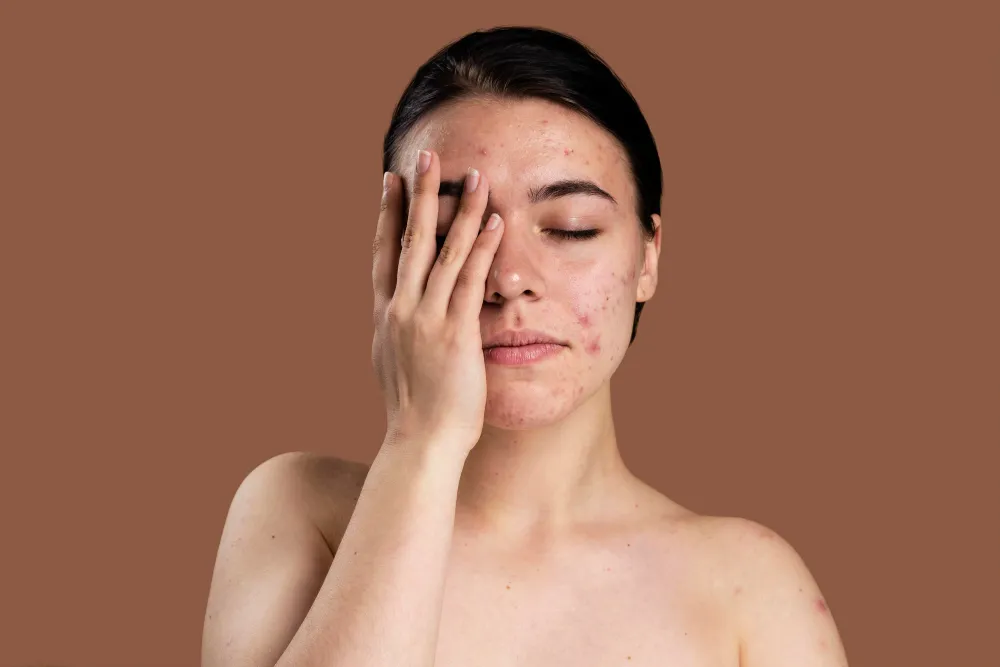
Acne scars, uneven skin texture and pigmentation are common skin problems that can affect both self-confidence and skin health. Many people wonder which treatments really work and how to achieve long-lasting, natural results. In this guide we go through the most effective methods for treating acne scars, pigmentation and uneven skin texture, and give tips on preventive skincare and aftercare.
Acne scars – causes and types
Acne scars form when the skin does not heal completely after inflammation, blackheads or spots. There are several types of acne scars:
- Atrophic scars: Small pits or depressions in the skin, usually after cystic acne.
- Hypertrophic scars: Raised scars that can form if the skin produces too much collagen during healing.
- Post-inflammatory hyperpigmentation: Dark or reddish marks that are not true scars but can be visible long after acne.
Each type of scar requires different treatments, and a combination of methods often gives the best results.
Effective treatments for acne scars
1. Chemical peel
Chemical peels with acids such as glycolic acid, salicylic acid or TCA exfoliate the skin and stimulate collagen production, which can reduce superficial acne scars and pigmentation.
2. Microneedling
Microneedling creates tiny microscopic channels in the skin that stimulate the production of collagen and elastin. The method is effective for atrophic scars and for improving skin texture.
3. Laser treatment
Fractional CO2 laser or IPL can even out skin texture, reduce scar depth and fade pigmentation spots. Laser treatment also stimulates collagen production and increases the skin's elasticity.
4. Fillers
For deeper atrophic acne scars, hyaluronic acid fillers can be used to fill in pits and create a smoother skin surface.
5. Skincare products with active ingredients
Products with retinol, vitamin C, niacinamide or AHA/BHA acids can gradually improve skin texture, increase cell renewal and reduce pigmentation.
Effective treatments for pigmentation
Pigmentation can be caused by the sun, hormones, ageing or inflammation. Treatments include:
- Chemical or enzyme peels: Remove dead skin cells and brighten dark spots.
- Laser and IPL: Effective against both superficial and deep pigmentation spots.
- Topical creams: Hydroquinone, niacinamide or vitamin C can even out skin tone over time.
- Sun protection: The most important preventive measure against new pigmentation spots.
Improve skin texture and elasticity
Uneven skin texture is often caused by scars, enlarged pores or reduced collagen production. Besides professional treatments, the following can help:
- Retinol and peptides: Stimulate collagen and cell renewal.
- Exfoliation: Regular gentle exfoliation removes dead skin cells and evens out the skin.
- Moisturising products: The skin needs moisture to stay soft and elastic.
- A healthy lifestyle: Enough sleep, a nutritious diet and water intake affect the skin's recovery and elasticity.
Preventive tips
- Cleanse your skin thoroughly: Avoid squeezing spots to reduce the risk of scars.
- Use sunscreen every day: UV radiation makes both pigmentation and scars worse.
- Be consistent with your skincare: Active skincare over time gives the best results.
- Consult a skin specialist: For individual recommendations and treatments that suit your skin type.
FAQ – Frequently asked questions
Question: How long does it take to see results on acne scars?
Answer: Results vary depending on the type of treatment and the depth of the scars. Microneedling and laser can show visible improvements after 4–6 weeks, while peels and topical products often need 2–3 months of regular use.
Question: Can several treatments be combined?
Answer: Yes, combinations such as microneedling with a peel or laser with skincare products often give the best results.
Question: Are the treatments painful?
Answer: Most treatments cause mild discomfort. Topical numbing creams are often used with laser and microneedling to reduce the pain.
Question: Can pigmentation spots come back?
Answer: Yes, especially if the skin is exposed to the sun without protection. Sun protection is essential for long-lasting results.
Question: Are there side effects?
Answer: Common side effects are redness, swelling or light flaking. Serious complications are rare when the treatments are carried out by an experienced specialist.
Question: Can all skin types be treated?
Answer: Yes, but some treatments must be adapted for darker skin tones to avoid hyperpigmentation. A skin specialist can give the right recommendation.
Summary
Acne scars, pigmentation and uneven skin texture can be treated effectively with the right combination of professional treatments and skincare products. Methods such as microneedling, laser, chemical peels and hyaluronic acid fillers are proven to be effective, while active skincare with retinol, vitamin C and sun protection is essential for long-lasting results. Combining treatments with preventive measures gives the best chance of even, clear and healthy skin.