
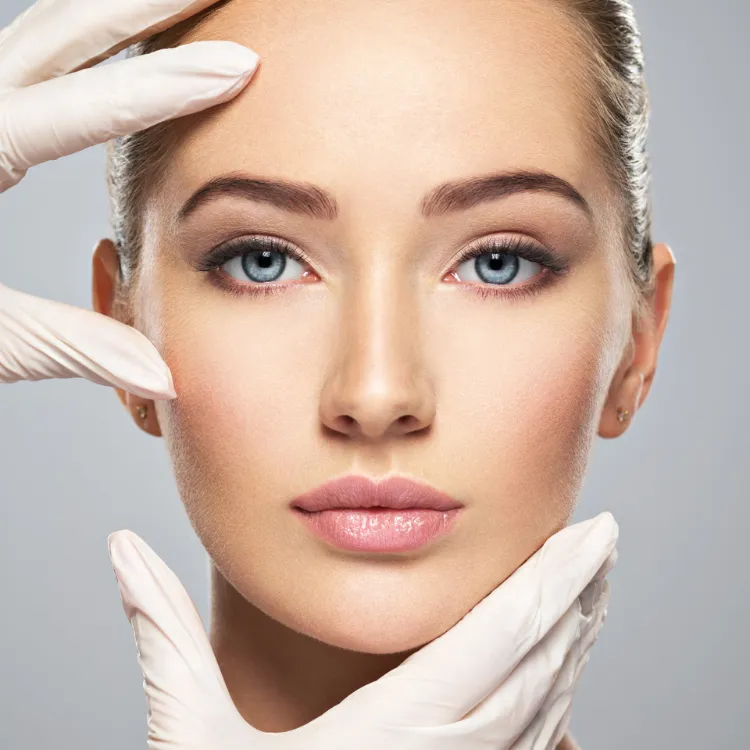
What you need to know to start a career in aesthetic medicine
Aesthetic medicine is one of the fastest-growing fields in the healthcare and beauty industry. Treatments such as Botox, fillers, laser therapy and skin rejuvenation are in high demand, and being certified opens up many career opportunities.
In this blog we go through, step by step, how to get certified in aesthetic medicine in Sweden, so you can start your professional journey with confidence.
1. Understand what aesthetic medicine is
Aesthetic medicine combines medical knowledge with cosmetic treatments that aim to improve appearance. Common treatments include:
• Botox and dermal fillers
• Laser and light treatments
• Chemical peels and skin rejuvenation
• Non-surgical facelifts
• Body contouring
Understanding the field helps you decide which area you want to specialise in before you start your certification.
2. Meet the entry requirements
To take aesthetic medicine courses, you usually need:
• A medical background (nurse, dentist or doctor)
• Basic knowledge of anatomy and physiology
• An interest in cosmetic treatments and skincare
Some courses are also open to licensed healthcare professionals who want to expand their skills.
3. Choose the right training programme
There are many courses to choose from, but it is important that the programme is:
• Accredited by recognised professional organisations
• Led by experienced instructors
• Comprehensive, with both theory and practical training
• Gives certification on completion
Go for courses that include practical training on real clients in a controlled and supervised environment.
4. Complete the theoretical training
Theoretical training usually covers:
• Facial anatomy and physiology
• Types of aesthetic treatments
• Safety, hygiene and contraindications
• Client consultation and care
• Laws and regulations in Sweden
Understanding these concepts ensures safe and effective treatments for your future clients.
5. Take part in practical training
Practical training is essential. You learn to:
• Perform injections such as Botox and fillers safely
• Carry out chemical peels and laser treatments
• Handle client consultations professionally
• Follow hygiene and safety protocols
Many courses offer models or supervised client sessions to build both skill and confidence.
6. Get your certification
When both theory and practice are completed, you receive a certification that:
• Confirms your skills in aesthetic medicine
• Allows you to perform treatments legally in Sweden
• Increases credibility and client trust
Certification is often a requirement for working at reputable clinics.
7. Keep developing your knowledge
Aesthetic medicine is constantly evolving with new techniques, products and regulations. To stay competitive:
• Attend workshops and advanced courses
• Follow industry updates and research
• Network with other professionals
Continuous training ensures that your clients always receive safe and effective treatments.
8. Start working professionally
After certification, you can work at:
• Aesthetic clinics
• Medical spas
• Private practice
Always make sure treatments are carried out professionally, ethically and with a full client consultation.
Frequently asked questions
1. Do I need a medical background to get certified?
Yes, most programmes require you to be a licensed nurse, doctor or dentist.
2. How long does certification take?
Courses vary from a few weeks to several months depending on the programme and the amount of practical training.
3. Can I specialise in certain treatments?
Yes, many courses let you focus on specific areas such as injections, laser or skin rejuvenation.
4. Is the certification valid in Sweden?
Choose accredited programmes that follow Swedish law to make sure it is valid.5. Do I need ongoing training?
Yes, continuous training is important to stay up to date with new techniques, products and regulations.