
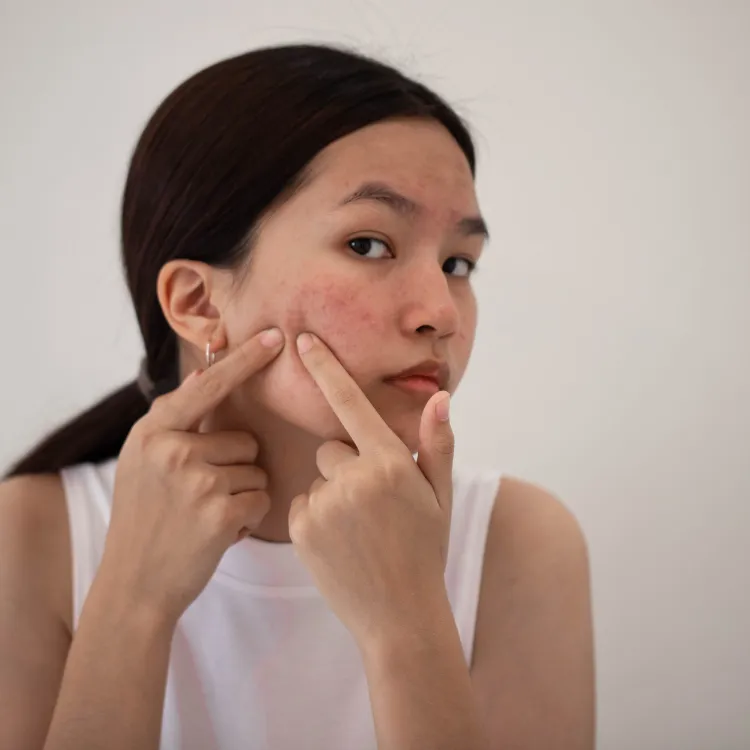
Acne is one of the most common skin diseases in the world and affects both teenagers and adults. For many, it is more than a cosmetic problem – it can affect self-esteem and quality of life and in some cases lead to scarring. In this medically accurate guide we go through causes, symptoms, treatment options and how to achieve long-term results with acne and other common skin problems.
What is acne?
Acne (acne vulgaris) is an inflammatory skin disease that occurs when sebaceous glands and hair follicles become clogged. The condition is characterised by:
- Blackheads and whiteheads (comedones)
- Papules and pustules (inflammatory spots)
- Nodules and cysts (deeper, more painful lesions)
- In some cases scars and pigmentation changes
Acne mainly appears on the face, back, chest and shoulders – areas where sebum production is higher.
Causes of acne and skin problems
Acne is a multifactorial disease, which means that several factors work together:
1. Increased sebum production
During puberty and with hormonal changes, the sebaceous glands are stimulated by androgens. Excess sebum can clog the pores.
2. Clogged pores
Dead skin cells mix with sebum and block the hair follicle, which leads to comedones.
3. Bacterial growth
The bacterium Cutibacterium acnes (formerly Propionibacterium acnes) can multiply in the clogged pore and cause inflammation.
4. Inflammation
The body's immune response to bacteria and sebum leads to redness, swelling and pain.
5. Hormonal factors
Acne can get worse with menstruation, pregnancy, PCOS or stress-related hormonal changes.
6. External factors
- The wrong skincare
- Comedogenic products
- Stress
- A diet with a high glycaemic index
- Certain medicines
Common skin problems related to acne
Besides active acne, patients may experience:
- Post-inflammatory hyperpigmentation (PIH)
- Acne scars (atrophic or hypertrophic)
- Rosacea-like symptoms
- Enlarged pores
- Oily or unbalanced skin
Early intervention reduces the risk of permanent skin changes.
Diagnosing acne
Acne is diagnosed clinically by a doctor or skin specialist. The assessment is based on:
- Type of lesions
- Severity (mild, moderate, severe)
- Presence of scars
- Hormonal symptoms
If a hormonal imbalance is suspected, additional blood tests may be relevant.
Acne treatment – Medically proven options
Treatment is tailored individually depending on severity.
Topical treatments (mild to moderate acne)
- Retinoids (e.g. adapalene, tretinoin)
- Benzoyl peroxide
- Azelaic acid
- Topical antibiotics (when needed)
These treatments reduce inflammation, normalise cell turnover and counteract bacterial growth.
Systemic treatment (moderate to severe acne)
- Antibiotics (short-term)
- Hormonal treatment (contraceptive pills or anti-androgens)
- Isotretinoin (for severe, scarring acne)
Isotretinoin is an effective treatment but requires careful medical follow-up.
Medical skin treatments
The following can be used as complementary treatment:
- Chemical peel
- Microneedling
- Laser treatment
- LED light therapy
These methods can improve skin texture, reduce inflammation and treat scars.
Treating acne scars and pigmentation
Once the active acne is under control, scars can be treated with:
- Fractional laser
- Microneedling with RF
- PRP (Platelet Rich Plasma)
- Chemical peel with TCA
The choice of treatment depends on the type of scar, skin type and the patient's expectations.
Long-term results – How to prevent relapse
Acne is often a chronic or recurring disease. Long-term control requires:
- A tailored skincare routine
- Regular medical follow-up
- Daily sun protection
- Stress management
- Hormonal balance
Consistent treatment is essential – many stop too early once they see improvement.
Myths about acne
"Acne is caused by poor hygiene."
Wrong. Excessive cleansing can make the condition worse.
"Toothpaste dries out spots."
Not medically recommended and can cause irritation.
"You grow out of acne."
Some people do, but adult acne is common – especially in women.
When should you see a doctor?
You should contact a medical specialist if:
- The acne is painful or cystic
- Scars are starting to develop
- Over-the-counter products do not help
- The skin problems affect your mental health
Early treatment reduces the risk of permanent damage.
Frequently asked questions about acne
How long does it take to see results from acne treatment?
Most treatments need 6–12 weeks before a clear improvement is seen.
Can diet affect acne?
Studies show that a high-sugar diet and dairy products can make acne worse in some people, but the link varies from person to person.
Is acne dangerous?
Acne is not dangerous, but it can cause scars and psychological effects if it is not treated properly.
Can acne be cured permanently?
Acne can be controlled effectively, but because hormonal and genetic factors play a part, relapses can occur.
Summary
Acne and skin problems are common but treatable conditions. With the right diagnosis, tailored treatment and long-term follow-up, both active breakouts and scars can be reduced significantly.
Modern dermatology today offers advanced, evidence-based solutions that improve both the skin's health and the patient's quality of life.
Seeking professional advice is the first step towards clearer, healthier skin and long-term results.