
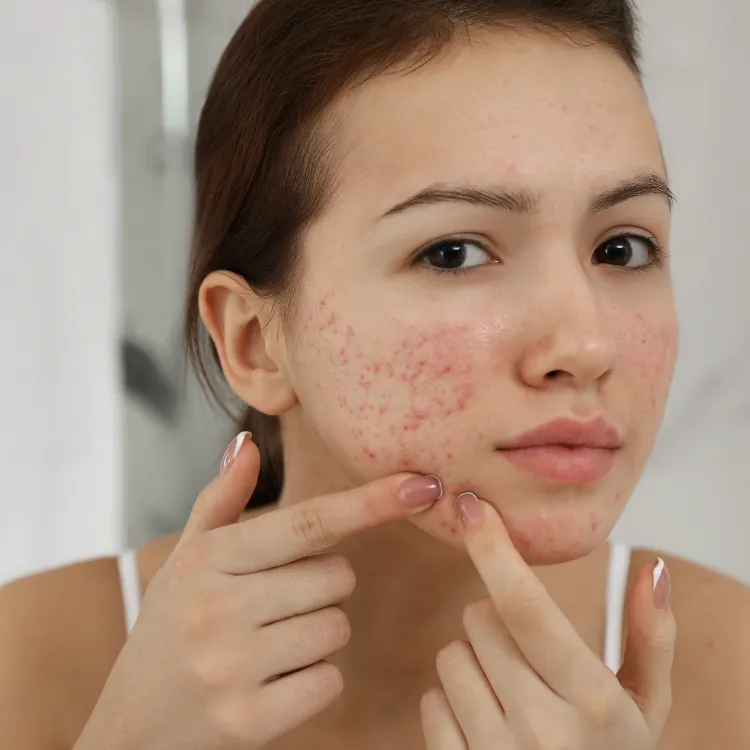
Understand the cause of your skin problems and find the right treatment
Acne is one of the most common skin problems in the world, but not all types of acne are the same. Many people have skin problems in adulthood too, and it can be hard to know whether it is hormonal acne, adult acne or acne scars from earlier breakouts.
In this blog we go through the differences between these skin conditions, what causes them and which treatments are often recommended to improve the skin's health and appearance.
1. Hormonal acne
What is hormonal acne?
Hormonal acne is mainly caused by hormonal changes in the body that affect the skin's sebum production. When the sebaceous glands produce too much oil, the pores can become clogged and lead to inflammation and spots.
Common situations:
- Puberty
- The menstrual cycle
- Pregnancy
- Stress
- Hormonal imbalances
Common symptoms:
Hormonal acne often appears on the lower part of the face:
- Jawline
- Chin
- Lower cheeks
- Neck
Spots can be deeper, more inflamed and sometimes painful.
Common treatments:
- Medical skin creams such as retinoids or benzoyl peroxide
- Hormonal treatment after consultation with a doctor
- Professional skin treatments at a clinic
- A tailored skincare routine for oily or combination skin
2. Adult acne
What is adult acne?
Adult acne usually appears after the age of 25 and can be affected by several factors, not just hormones. Lifestyle, skincare products and environment often play a big role.
Common causes:
- Stress and lack of sleep
- The wrong skincare products
- Diet and lifestyle
- Environmental pollution
- Hormonal changes
Common symptoms:
- Small spots or inflammation
- Blackheads
- Uneven skin texture
- Acne that comes back regularly
Common treatments:
- Chemical peel
- Deep-cleansing facials
- Medical skincare
- Laser or light treatments
- Tailored skincare products
3. Acne scars
What are acne scars?
Acne scars form when the skin tries to heal after deep or inflamed acne breakouts. When collagen production is affected, the skin can get permanent changes in texture and colour.
Common types of acne scars:
- Atrophic scars (depressions in the skin)
- Post-inflammatory hyperpigmentation (dark marks)
- Hypertrophic scars (raised scars)
Common treatments:
- Microneedling
- Laser treatment
- Chemical peel
- Medical skin treatments
- Collagen-stimulating treatments
These treatments aim to improve the skin's texture and stimulate its natural healing process.
4. How to choose the right treatment
Choosing the right treatment depends on several factors:
- Which type of acne you have
- How long the problems have lasted
- Skin type and sensitivity
- Whether there are scars or pigmentation changes
A medical skincare clinic or dermatologist can analyse your skin and recommend the right treatment plan.
It is also important to combine professional treatments with the right skincare routine at home.
5. Tips for preventing acne and skin problems
A few simple habits can help improve the skin's health:
- Cleanse your skin morning and evening
- Avoid squeezing spots
- Use skincare products suited to your skin type
- Protect your skin with sunscreen
- Reduce stress and prioritise sleep
Consistent skincare and professional advice can make a big difference to the skin's long-term health.
Frequently asked questions
1. What is the difference between hormonal acne and adult acne?
Hormonal acne is mainly caused by hormonal changes and often appears around the jawline and chin, while adult acne can be caused by several factors such as stress, skincare products and lifestyle.
2. Can acne scars disappear completely?
Some treatments can significantly reduce the visibility of acne scars, but the result varies depending on the type of scar and the skin's ability to heal.
3. When should you seek professional treatment?
If acne keeps coming back, is painful or starts to leave scars, it can be a good idea to contact a skin therapist or dermatologist.
4. Do skincare products help with acne?
Yes, the right products can help control sebum production, cleanse pores and reduce inflammation.5. How long does it take to see results from treatment?
Most skin treatments need several weeks or months for clear results, as the skin's natural cell renewal takes time.