

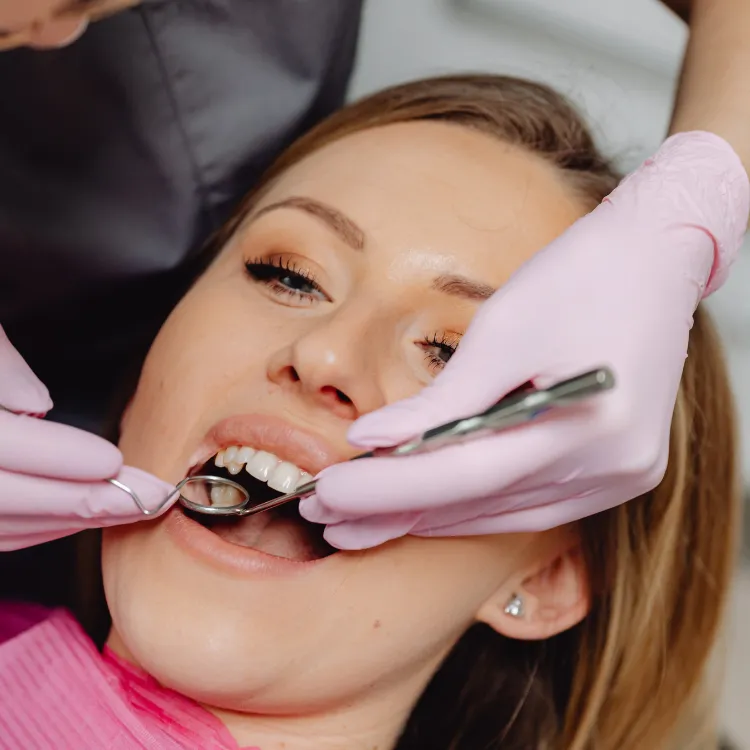
What is oral hygiene?
Oral hygiene covers the daily routines that aim to keep the teeth, gums and whole mouth healthy. It includes habits such as brushing, flossing and regular dental visits to prevent problems such as tooth decay and gum disease.
Why is oral hygiene important?
The importance of good oral hygiene goes beyond a white smile. It plays a key role in preventing tooth decay, gum infections and bad breath. In addition, good oral health contributes to general wellbeing, as it can reduce the risk of systemic diseases such as cardiovascular disease.
Best practice for good oral hygiene
Brushing twice a day
Start by brushing your teeth for at least two minutes in the morning and before bed, using fluoride toothpaste and a soft-bristled toothbrush.
Flossing every day
Clean between your teeth and along the gum line with dental floss or interdental brushes to remove plaque and food debris.
Mouthwash
Add an antibacterial mouthwash to your oral care routine to eliminate bacteria and keep your breath fresh.
Regular dental visits
Book dental appointments twice a year for professional cleaning and to detect any dental problems early.
Healthy habits for healthy teeth
Besides daily oral care, some lifestyle habits can further promote dental health:
A nutritious diet
Eat a balanced diet rich in fruit, vegetables and lean protein, and minimise sugary and acidic foods and drinks.
Enough fluid intake
Drink plenty of water during the day to rinse away food debris and maintain saliva production, which helps neutralise acids.
Avoid tobacco products
Smoking and using tobacco products increase the risk of gum disease, tooth decay and oral cancer.
Protective measures
Wear a mouthguard during sports to prevent dental injuries, and avoid using your teeth as tools to open packages or bottles.
How to keep your teeth healthy
For long-term oral health, you can consider the following strategies:
Limit acidic foods
Acidic foods and drinks should be consumed in moderation to minimise enamel erosion. Rinse your mouth with water afterwards.
Consider dental sealants
Discuss with your dentist the possibility of applying sealants to protect vulnerable areas against decay.
Correct technique
Learn and practise correct brushing and flossing technique to maximise effectiveness without damaging your teeth or gums.
Prompt dental care
Deal with dental problems straight away to prevent them from getting worse and needing more extensive treatment.
Conclusion
Maintaining optimal oral health requires commitment to regular oral hygiene routines and healthy lifestyle habits. By adding these tips to your daily routine and seeking professional dental care when needed, you can protect your smile and your general wellbeing for many years to come. Remember, a healthy mouth is the key to a healthier body!