
Basic functions of a healthy liver
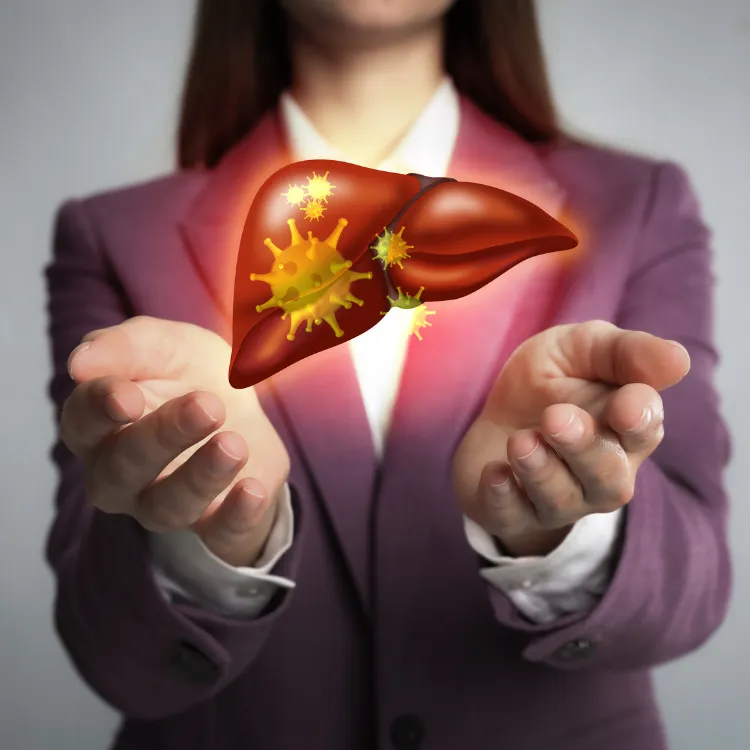
The liver is a vital organ with many functions that are needed to maintain the body's overall health and wellbeing. Some of the liver's most important functions include:
- Detoxification:
The liver plays a key role in detoxifying harmful substances from the body. It processes and eliminates toxins, medicines, alcohol, metabolic waste products and other potentially harmful chemicals.
- Metabolism:
The liver is involved in various metabolic processes. It helps break down carbohydrates, fats and proteins from the food we eat into usable forms for energy production and storage. It also regulates blood sugar levels by storing excess glucose as glycogen and releasing it when needed.
- Bile production:
The liver produces bile, a substance that helps with the digestion and absorption of dietary fat. Bile is stored in the gallbladder and released into the small intestine when needed.
- Nutrient storage:
The liver acts as a storage site for several important nutrients. It stores vitamins (such as vitamins A, D, E and K) and minerals (including iron and copper) for later use by the body.
- Protein synthesis:
The liver synthesises various proteins, including albumin (important for maintaining blood volume and transporting substances), clotting factors (needed for proper blood clotting) and complement proteins (part of the immune system).
- Blood detoxification:
The liver filters and detoxifies the blood by removing harmful substances, including toxins, metabolic by-products and old or damaged red blood cells.
- Hormone regulation:
The liver contributes to hormone regulation by metabolising and eliminating hormones from the bloodstream. It helps maintain hormonal balance and eliminates excess hormones to prevent them from building up.
- Immune function:
The liver plays an important role in the immune system. It helps remove bacteria, viruses and other disease-causing organisms from the bloodstream and produces immune factors that protect against infection.
- Blood storage:
The liver can store a certain amount of blood and acts as a reserve that can be released into the circulation when needed, for example in case of blood loss or increased demand.
- Production of biochemical substances:
The liver produces various biochemical substances that are important for digestion, including bile salts that help break down fat and cholesterol that is used to produce hormones and cell membranes.
Tips for a healthy liver
Having a healthy liver is essential for the body's general wellbeing and optimal function. Here are some tips for maintaining a healthy liver:
- A balanced diet:
Eat a nutritious diet that includes a variety of fruit, vegetables, whole grains, lean proteins and healthy fats. Limit your intake of processed food, saturated fats, refined sugar and excessive salt.
- Stay hydrated:
Drink enough water during the day to support liver function and help the body flush out toxins.
- Alcohol consumption:
Excessive alcohol consumption can lead to liver damage and various liver diseases. It is important to avoid alcohol to keep the liver and other organs healthy.
- Maintain a healthy weight:
Obesity and being overweight increase the risk of fatty liver and other liver-related diseases. Maintain a healthy weight through a balanced diet and regular physical activity.
- Exercise regularly:
Take part in regular physical activity to promote general health and improve liver function. Exercise helps with weight control, reduces insulin resistance and improves the liver's metabolism.
- Avoid smoking:
Smoking can contribute to liver damage and increase the risk of liver cancer. Quitting smoking or avoiding it altogether is good for liver health.
- Practise safe sex and avoid sharing needles:
Viral infections such as hepatitis B and C can cause liver damage. Use a condom during sex and avoid sharing needles or other drug equipment.
- Be careful with medicines and supplements:
Some medicines and supplements can have negative effects on the liver. Follow the recommended dosage and contact a doctor or pharmacist if you have questions.
- Vaccinations:
Make sure you are vaccinated against hepatitis A and B, as these viruses can cause liver inflammation and damage.
- Regular health check-ups:
Visit a healthcare provider for regular check-ups and screening to monitor liver health. Early detection and treatment of liver disease can prevent further damage.
Remember that if you have persistent symptoms such as yellowing of the skin or eyes (jaundice), abdominal pain, unexplained weight loss, chronic tiredness or changes in the colour of your urine or stools, it is important to contact healthcare staff for an assessment. They can give a correct diagnosis and guidance based on your individual health needs.
IV nutrients that help keep the liver healthy
Intravenous (IV) nutrient therapy can give targeted support to promote liver health. Here are some nutrients commonly used in IV therapy that can help keep the liver healthy:
- Glutathione:
Glutathione is a powerful antioxidant that plays a key role in the liver's detox process. It helps neutralise free radicals and supports the liver's ability to eliminate toxins. IV glutathione can help improve liver function and protect the liver from damage.
- B vitamins:
B vitamins, including B1 (thiamine), B2 (riboflavin), B3 (niacin), B5 (pantothenic acid), B6 (pyridoxine), B9 (folate) and B12 (cobalamin), are important for liver function. They contribute to energy metabolism, support the liver's detox processes and promote healthy liver cells. IV therapy with a vitamin B complex can give optimal absorption and use.
- Vitamin C:
Vitamin C is a powerful antioxidant that helps protect liver cells from oxidative stress and inflammation. It also plays an important role in collagen synthesis, which is needed to repair liver tissue. IV vitamin C can increase antioxidant activity and support liver health.
- Alpha-lipoic acid (ALA):
Alpha-lipoic acid is a strong antioxidant that supports the liver's detox process and helps regenerate other antioxidants, such as glutathione and vitamins C and E. IV ALA can help reduce liver inflammation and improve liver function.
- Selenium:
Selenium is a trace element that acts as an antioxidant and supports liver health. It plays a role in the production of enzymes that help in detox processes. IV selenium can protect the liver against oxidative damage and promote its overall health.
- Milk thistle extract:
Milk thistle (silymarin) is a natural herb that has been used for centuries to support liver health. It has antioxidant and anti-inflammatory properties and helps protect liver cells from damage. IV milk thistle extract can give concentrated doses of its beneficial substances for liver support.
- N-acetylcysteine (NAC):
NAC is a precursor to glutathione, which is important for the liver's detox process. It helps restore glutathione levels and supports the liver's ability to eliminate toxins. IV NAC can promote liver health and protect against oxidative stress.
It is important to note that IV nutrient therapy should be given by qualified healthcare staff who can assess your specific needs and tailor the treatment accordingly. They take into account your medical history, current liver health and any underlying conditions to decide the most suitable nutrients and doses for your situation.