
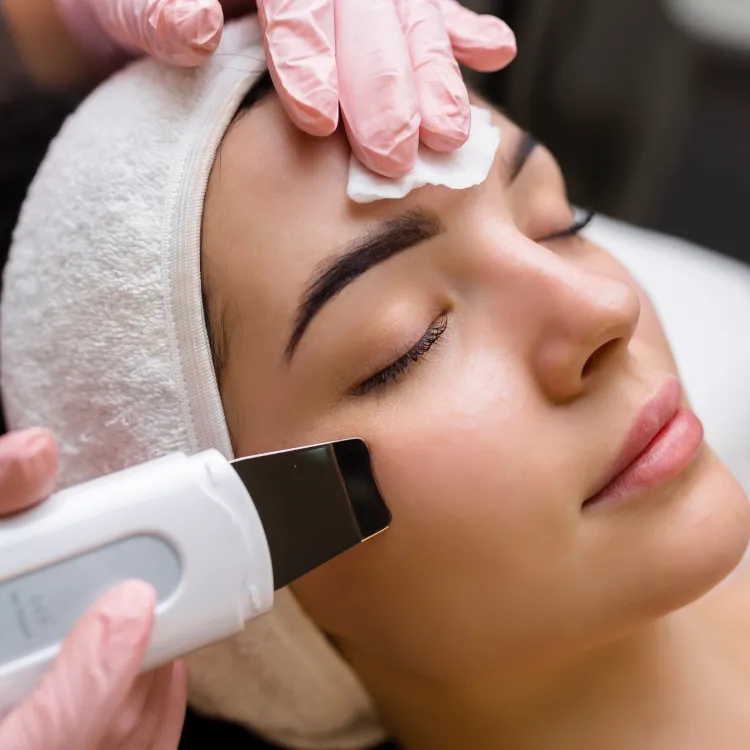
What you should know for radiant, healthy skin
Peels are one of the most popular skincare treatments for improving skin texture, evening out skin tone and stimulating cell renewal. The right peel and aftercare can make a big difference to the result and give the skin a fresh, youthful glow.
In this blog we go through expert advice, what to keep in mind before and after a peel, and how you can maximise the results.
1. Choose the right peel for your skin type
There are different types of peels:
• Superficial peel – removes dead skin cells and gives an instant glow
• Medium peel – treats fine lines, pigmentation and mild acne
• Deep peel – used for more extensive skin problems and scars
A skin therapist can analyse your skin and recommend the peel that suits you best.
2. Prepare your skin before the treatment
For the best results, it is important that your skin is in good condition before a peel:
• Cleanse the skin thoroughly
• Avoid strong sun and sunbeds for a few days before
• Avoid harsh skincare products that can irritate the skin
By preparing your skin, you reduce the risk of irritation and increase the effect of the treatment.
3. During the treatment
The peel is applied by a qualified skin therapist or medical professional depending on the type of treatment.
• The skin is cleansed and any make-up residue is removed
• The peel is applied evenly over the treatment area
• How long the peel product is left on varies depending on the product and skin type
Many clients feel a slight stinging sensation during the treatment, which is normal.
4. Aftercare for the best effect
After a peel, the skin is sensitive and needs extra care:
• Avoid direct sunlight and use a high SPF
• Use gentle, hydrating products
• Avoid exfoliating products for 5–7 days
• Drink plenty of water to keep the skin hydrated
The right aftercare can reduce redness and irritation and extend the effect of the treatment.
5. Expected results
Results vary depending on the type of peel and the condition of the skin:
• More even skin tone
• Softer and smoother skin
• Fewer fine lines and pigmentation spots
• Improved glow and firmness
Many clients notice improvements after the very first treatment, while the full effect is often achieved after several sessions.
6. Combine with other treatments
Peels can often be combined with other skincare treatments for even better results:
• Microneedling
• Hydrating or soothing face masks
• Light or laser treatments
A skin therapist can put together a treatment plan that suits your needs and the condition of your skin.
Frequently asked questions
Does a peel hurt?
Most peels only cause a slight stinging sensation. Deeper peels can feel more intense, but local anaesthesia is often used for stronger treatments.
When do you see results?
Many clients see improvements straight away, but the skin continues to improve in the weeks after the treatment.
How often can you have a peel?
Superficial peels can often be repeated every 2–4 weeks, while deeper peels require longer intervals.
Can I combine a peel with my normal skincare?
Yes, but after the treatment you should avoid strong active ingredients for a few days and follow the skin therapist's recommendations.
Is a peel safe for all skin types?
Peels are generally safe, but some skin conditions may require caution. A skin therapist can decide which peel is safe and effective for you.