

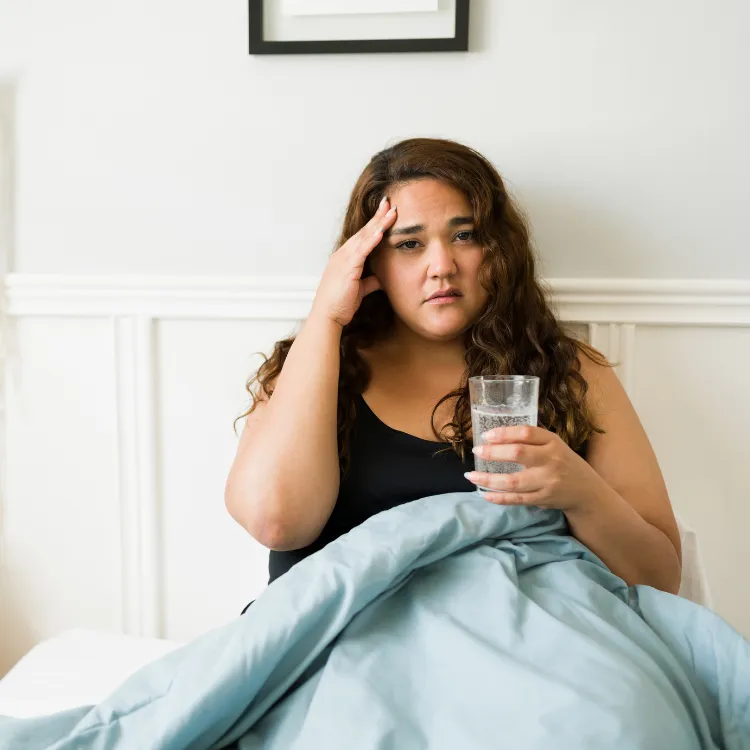
What is a hangover?
A hangover is a common non-medical term for the body's reaction to the toxic effects of alcohol. Hangover symptoms can include headache, tiredness, nausea, vomiting and difficulty concentrating. The symptoms vary from person to person and usually appear a few hours after the alcohol has left the body.
Causes of a hangover
Direct effects of dehydration
Alcohol increases urine production, which leads to dehydration and symptoms such as dry mouth, thirst, dizziness and headache.
Direct effects of alcohol
Alcohol irritates the stomach lining, contributes to inflammation and affects the digestive system, which can cause nausea and vomiting.
Effects of alcohol withdrawal
After drinking alcohol, mild withdrawal symptoms such as headache, worry and anxiety can contribute to a hangover.
Effects of alcohol's breakdown products
Alcohol is broken down into acetaldehyde, a toxic substance that can intensify hangover symptoms and affect the body negatively.
Effects of factors other than alcohol
Lack of sleep, mixing different drinks, sugary drinks and individual tolerance can make a hangover worse.
Symptoms of a hangover
Physical symptoms
Headache – A throbbing or pulsing headache is common.
Nausea and vomiting – An upset stomach and vomiting can occur after drinking too much alcohol.
Tiredness – Severe tiredness and low energy are common.
Dehydration – Dry mouth, strong thirst and dizziness are caused by alcohol's dehydrating effect.
Sensitivity to light and sound – Increased sensitivity can cause discomfort.
Mental and emotional symptoms
Anxiety – Feelings of worry or restlessness are common.
Mood swings – Irritability and low mood can occur.
Difficulty concentrating – Problems focusing or making decisions can arise.
Low mood – A feeling of hopelessness can be experienced.
Confusion – Mental sluggishness and disorientation can occur.
Treatment and relief of a hangover
To treat a hangover, fluids, vitamins and nutrients are needed. These can be given through intravenous drip treatments that help the body recover, restore fluid balance and replenish the vitamins and minerals lost through drinking alcohol.
In addition, oxygen therapy can be used as a complement. It can improve mental clarity, reduce dizziness and nausea and increase the supply of oxygen to the brain and body.
If needed, injections for nausea and pain can also be given.
Home remedies for a hangover
Fluid intake – Drink plenty of water, herbal tea or electrolyte-rich drinks to restore fluid balance.
Rest – Let your body recover by getting enough sleep and rest.
Eat properly – Eat a light meal with complex carbohydrates to stabilise blood sugar and give energy.
Natural methods – Ginger or peppermint tea can settle the stomach, while potassium-rich foods such as bananas or coconut water can restore electrolyte balance.
Risk factors for hangovers
Why do some people get worse hangovers than others? Some important risk factors include:
Alcohol strength – Stronger drinks, such as spirits, can cause a worse hangover.
Amount – Drinking more alcohol increases the intensity of the symptoms.
Dehydration – Alcohol's diuretic effect contributes to the symptoms.
Mixing drinks – Combining different types of alcohol or sweet drinks can make a hangover worse.
Individual variation – Alcohol tolerance varies between people.
Sleep quality – Poor sleep after drinking alcohol can make the symptoms worse.
Frequently asked questions about hangovers
What are the long-term effects of hangovers?
A hangover itself is short-lived, but long-term and excessive alcohol consumption can damage your health.
How can you prevent a hangover?
Drinking in moderation, drinking water, eating before drinking alcohol and choosing drinks with a lower alcohol content can reduce the risk.
Is there medicine for a hangover?
There is no universal treatment, but over-the-counter painkillers or anti-nausea medicines can relieve symptoms.
How long does a hangover last?
A hangover usually lasts between 8 and 24 hours. Rest, fluids and time help the body recover.
How much alcohol causes a hangover?
It varies between individuals and depends on factors such as tolerance, fluid balance and the strength of the drink.
When is emergency care needed for a hangover?
Serious symptoms such as confusion, seizures, very slow breathing or unconsciousness can indicate alcohol poisoning and require immediate medical care. Otherwise, rest, fluids and recovery time are recommended.