
Here are some effective ways that can help reduce belly fat:
– Diet plans such as intermittent fasting.
– Exercise and training programmes.
– Cosmetic treatments such as lipolytic injections, which are fat injections for weight loss, device-based fat reduction treatments and muscle-stimulating devices.
– Surgical treatments such as liposuction, a tummy tuck and bariatric surgery.
How do you reduce belly fat?
The process of reducing belly fat starts with a proper assessment by a healthcare expert. It is important to identify the root cause or underlying problems that may contribute to belly fat. Cooperation between different specialists is needed to achieve realistic results. At the same time, various measures can be started to reduce belly fat, such as:
– Stop smoking and reduce alcohol consumption.
– Diet and exercise.
– Enough fluid intake.
– Effective stress management.
– Cosmetic treatments.
Surgical and non-surgical methods for removing belly fat
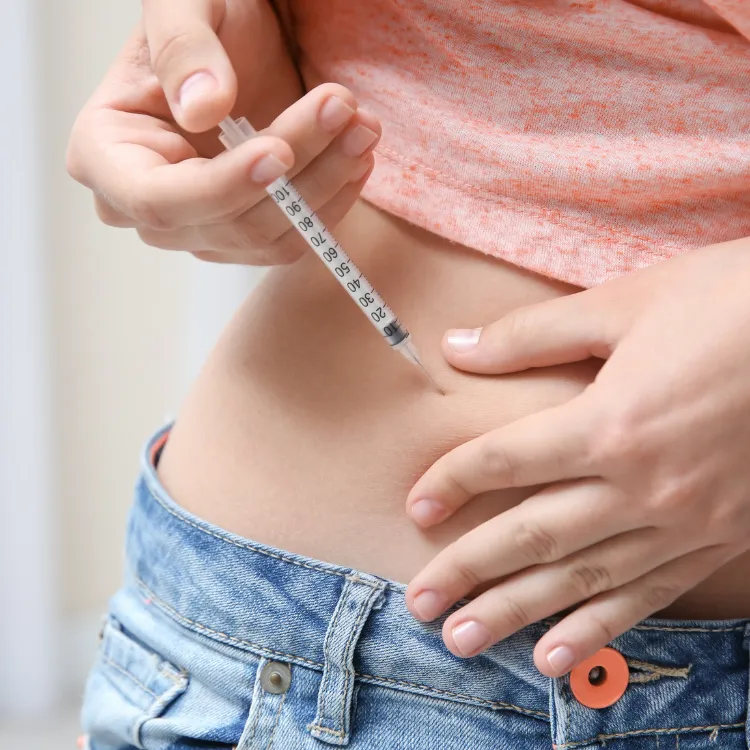
Lipolytic injections
Lipolytic injections are a non-surgical method of reducing belly fat where substances are injected into the targeted area to break down and dissolve fat cells. Commonly used substances include phosphatidylcholine and deoxycholic acid. These injections are usually used for smaller fat deposits.
Various non-surgical body sculpting devices use technologies such as ultrasound, radiofrequency or electromagnetic fields to reduce belly fat and tighten the skin. Examples include devices such as truSculpt iD, UltraShape, Venus Freeze and radiofrequency.
Liposuction:
Liposuction is one of the most common surgical procedures for removing excess fat deposits on the stomach. It involves inserting a thin tube (cannula) through small incisions to suck out fat cells. It is an invasive procedure that requires the client to be under general anaesthesia. Downtime and recovery time can vary depending on the extent of the procedure, but in general clients should set aside at least a month for partial recovery after the procedure. Liposuction mainly removes subcutaneous fat that lies under the skin.
Tummy tuck (abdominoplasty):
A tummy tuck is a more extensive surgical procedure that not only removes excess belly fat but also treats loose skin and tightens the stomach muscles by cutting away part of the tissue. The operation involves removing excess skin and stitching the underlying abdominal muscles to shape the body and create a firmer skin appearance. However, the client will get a long scar along the bikini line, which may be a concern for many.
Mini tummy tuck:
A mini tummy tuck is a less invasive version of the traditional tummy tuck and is suitable for people with a smaller amount of excess skin and fat in the lower abdomen. It involves a smaller incision and focuses on the lower part of the stomach.
Liposculpture:
Liposculpture is a more refined version of liposuction that aims to reshape and contour specific parts of the body. It involves removing fat to improve the overall appearance of the treated area.
Body contouring surgery:
Besides liposuction and a tummy tuck, various body contouring procedures can be carried out to reshape the abdomen and other parts of the body. These can include procedures such as a body lift or belt lipectomy.
How to reduce hormonal belly fat
Hormones play an important role in the storage and build-up of fat in the body, especially around the abdomen. Here are some strategies to consider:
A healthy diet
Extreme diets and starvation are not a healthy way to lose weight. A well-balanced diet is needed for the body to work normally. It should consist of carbohydrates, protein and healthy fats in balanced portions. Avoiding processed meat and refined foods helps maintain hormonal balance.
Control portion sizes:
Pay attention to portion sizes to avoid overeating and support weight control.
Choose healthy fats:
Include sources of healthy fats such as avocado, nuts, seeds and olive oil, while limiting saturated and trans fats.
Regular exercise:
Take part in regular physical activity, including both cardio and strength training, to help regulate hormones and promote fat loss.
Manage stress:
Chronic stress can lead to hormonal imbalances and an increase in abdominal fat. Practise stress-reducing activities such as meditation, deep breathing, yoga or mindfulness.
Fibre-rich foods:
Include fibre-rich foods such as fruit, vegetables and wholegrain products in your diet. Fibre helps regulate blood sugar and improves digestion.
Foods that balance hormones:
Some foods can help balance hormones. Include foods rich in omega-3 fatty acids such as oily fish and flaxseed, and foods that contain phytoestrogens, such as soy products.
Consult a healthcare professional:
If you suspect that hormonal imbalances are contributing to belly fat, you should consult a healthcare professional. They can carry out tests to assess hormone levels and give guidance on suitable measures.
Consider hormone therapy (under medical supervision):
In some cases, hormone therapy may be recommended under the supervision of a healthcare provider to treat hormonal imbalances.
Seek professional guidance
Weight loss is a process that may need professional, expert guidance from various medical specialists. It is important to carry out a proper and detailed body analysis to set realistic goals and timeframes, together with expert advice on diet plans, cosmetic treatments, exercise and other health routines.
Conclusion:
In summary, managing belly fat requires a comprehensive and holistic approach that combines healthy lifestyle habits, including a balanced diet, regular exercise, stress management and enough sleep. Non-surgical options such as truSculpt iD, radiofrequency skin tightening and lipolysis can give additional support, while surgical procedures such as liposuction and a tummy tuck can be considered for more significant fat removal and body contouring.